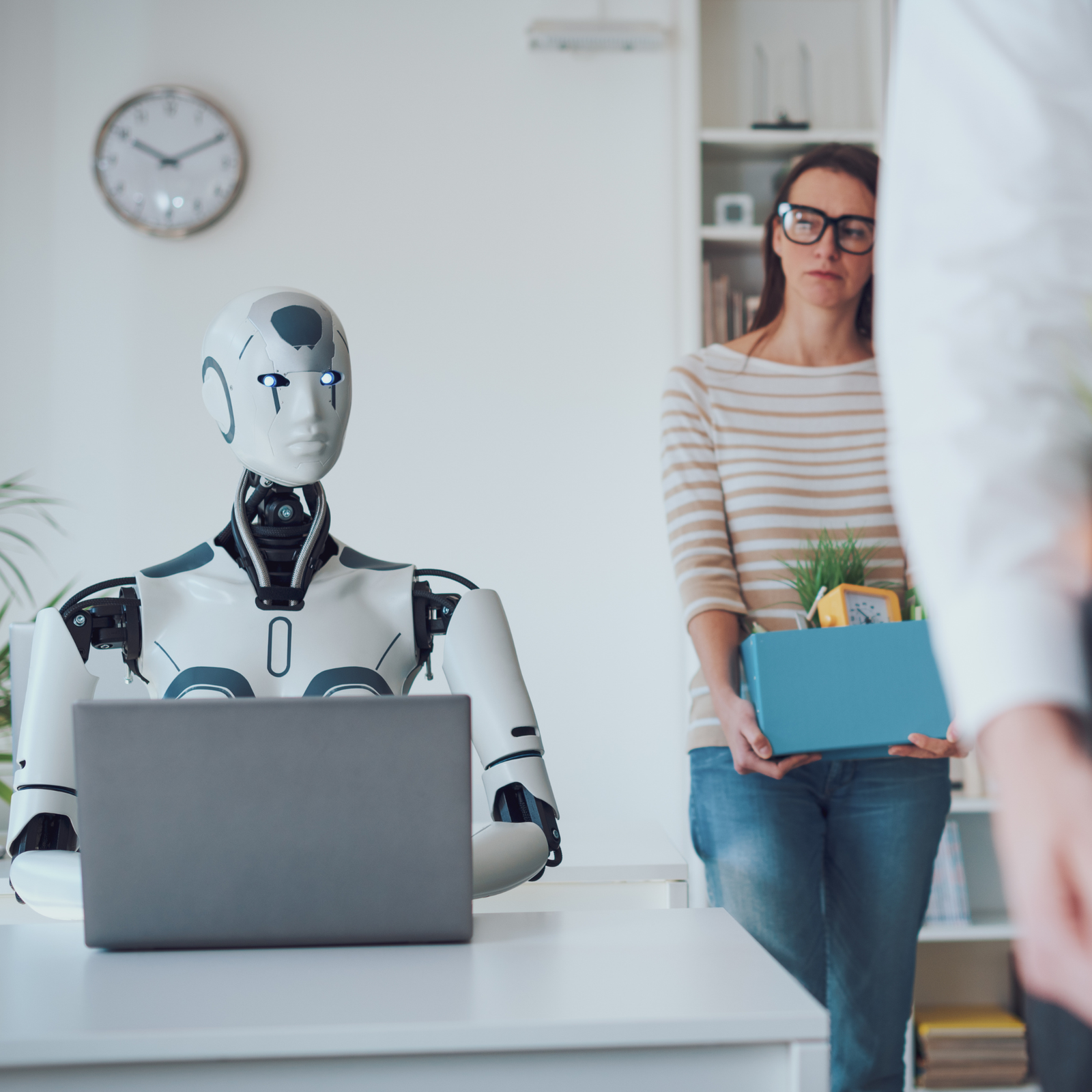
With the maturity of artificial intelligence (AI) technology, Impact of Ai in graphic designing ,its application in graphic design has gradually increased, especially in the fields of generating design plans, automated image processing, and intelligent recommendation. Tools such as Midjourney, Canva, and Adobe Sensei automatically generate designs based on user input, improving design accessibility. This makes it easy for even nonprofessional designers to produce high-quality designs, reducing design thresholds and costs. However, the role of traditional designers is also challenging, with many technical tasks being replaced by AI, and designers must redefine their functions with a focus on creative thinking and user experience. At the same time, designers also need to constantly learn new technologies to stay competitive in a competitive market. Designers in the industry need the ability to work with AI, not only to understand design principles, but also to be able to optimize designs using data analysis and user feedback.
between technology and the humanities, prompting designers to constantly rethink and adjust their professional positioning. Research objectives. The purpose of this paper is to explore the impact of AI on the graphic design job market, focusing on the transformation and opportunities of designer roles. The research will analyze how AI affects traditional design jobs, what new skills designers need to master, and the impact of AI technology on design career prospects. As AI technology continues to evolve, so too is the content of designers’ work, which requires them to improve in many ways, including creativity, technical ability, and user understanding. It will also examine ethical issues brought about by AI, such as copyright and originality, to ensure that designers can safeguard their creative rights and work ethic in the new technological environment. This research will provide important theoretical foundations and practical guidance for graphic designers in their future careers to help them better meet the challenges and opportunities posed by AI and thus remain invincible in an ever-changing industry. Through in-depth analysis of these issues, the research will provide valuable insights into design education and industry practice, driving continued growth in the field of graphic design. Application of Artificial Intelligence in Graphic Design Artificial intelligence (AI) is reshaping the graphic design industry at a rapid pace, penetrating many key areas such as creative generation, image processing, typography optimization, and user experience analysis. The application of AI technology not only brings unprecedented convenience to designers, but also revolutionizes the role of designers and redefines all aspects of the design process. As AI technologies mature further, the design industry is facing unprecedented transformation, and designers need to constantly adapt to this change in order to remain competitive in the design ecosystem of the future
Traditional design ideas often take a long time to conceive, experiment, and adjust, and designers experiment with all possible visual effects through constant brainstorming. Now, by using AI tools such as Midjourney, DALL-E, etc., designers can simply enter some keywords or descriptions, and AI can automatically generate a series of creative visual solutions based on this information. This process not only reduces the time to generate ideas, but also provides designers with a wealth of choice, allowing them to explore designsin different styles and directions more quickly, which in turn inspires more inspiration.
Moreover, the application of AI in image processing has greatly reduced the burden on designers on technical operations. The AI function in image editing software can automatically recognize and intelligently process elements in images through computer vision technology and machine learning algorithms. For example, AI can quickly remove the background of the picture, optimize the color matching, and even intelligently adjust the light and contrast of the image according to the context. This allows designers to eliminate the need to manually process every detail and devote more energy to the idea and expression of the design concept. Especially for large projects or scenes that need to handle a lot of material, AI’s automated processing capabilities are especially important. Designers can use AI tools to quickly complete cumbersome image trimming tasks, thus focusing on creative and strategic tasks